The Allure of Casinos
Casinos are designed to entice and captivate visitors in a myriad of ways. Bright lights, engaging sounds, and the promise of instant wealth create an environment that is both thrilling and tantalizing. This atmosphere stimulates the brain’s reward centers, drawing people in with the hope of a jackpot. When evaluating options, some players also explore casino sites not on gamstop, which can offer unique gaming experiences, different from traditional casinos. The psychology behind these elements plays a significant role in how individuals perceive their chance of winning, often leading them to underestimate the odds stacked against them.
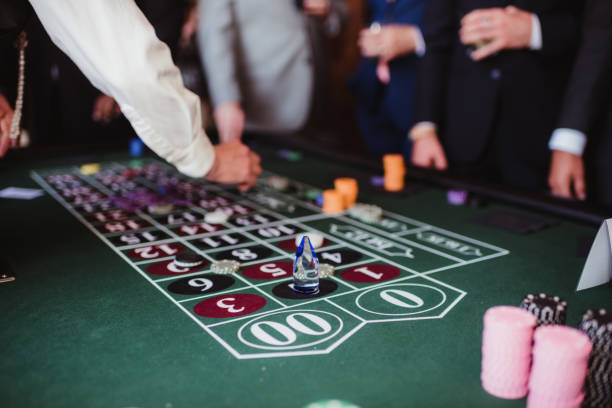
The sensory overload in casinos can further amplify the excitement of playing. Research indicates that the more stimulating the environment, the more likely players will engage in riskier behaviors. This can lead to a heightened sense of euphoria when players do win, reinforcing their desire to continue gambling. Thus, the casino layout and ambiance are meticulously crafted to keep players engaged, often leading to irrational betting behavior.
The Role of Cognitive Biases
Cognitive biases significantly shape how players approach gambling. One prevalent bias is the “gambler’s fallacy,” where individuals believe that past events influence future outcomes. For example, if a player sees a particular number coming up frequently on a roulette wheel, they may irrationally assume that it’s due for a win or loss. This misconception can lead to increased betting and the belief that they hold some control over the game’s outcomes, despite the inherent randomness of these games.
Moreover, the illusion of control plays a substantial role in gambling psychology. Players often feel they have some influence over the outcome through their betting choices or strategies, despite the randomness of games like slots or roulette. This false sense of empowerment can keep players engaged for longer periods, as they believe their decisions can lead to a successful outcome. Such biases can lead to overconfidence, causing players to misinterpret their chances of winning.
The Impact of Emotions
Emotions significantly influence gambling behavior and decision-making processes in casinos. When players experience a winning streak, they often feel a rush of excitement and euphoria, prompting them to wager more in hopes of sustaining that high. Conversely, losses can lead to frustration and impulsive decisions, with players chasing their losses in an attempt to regain what they perceive as unfairly lost. This emotional rollercoaster can trap individuals in a cycle of gambling that they may find hard to break.
Furthermore, casinos are aware of the emotional dynamics at play and design their facilities to capitalize on these feelings. From complimentary drinks to free entertainment, these strategies are implemented to create an environment where players feel valued and may, therefore, spend more. The interplay between emotions and gambling leads to decisions that are often not based on rational thought, making it crucial for players to maintain awareness of their emotional state while participating.
Strategies for Responsible Gambling
Understanding the psychological factors at play can empower individuals to gamble more responsibly. Recognizing cognitive biases and emotional triggers can help players make informed decisions about their gambling habits. It’s vital for players to set strict limits on their gambling expenditures and to view gambling as entertainment rather than a reliable source of income.
Additionally, educating oneself about the odds and strategies can mitigate unrealistic expectations about winning. Responsible gambling programs often provide resources and support to help individuals navigate their habits and maintain a healthy relationship with gambling. Awareness and education are key aspects in combating the psychological traps that casinos are built upon.
Resources and Support
While the allure of casinos can be captivating, it is essential to understand the underlying psychology that affects players’ decisions. Many individuals may find themselves struggling with responsible gambling, and various organizations offer resources to assist. Support groups, hotlines, and educational programs can provide valuable information for those seeking to understand their gambling behaviors better and to promote healthier habits.
For those interested in seeking support or further information about gambling psychology, numerous online platforms and local organizations can assist in providing tools and resources. Recognizing the psychological aspects of gambling is the first step towards ensuring a balanced approach while enjoying the thrill of casinos.