The Thrill of Risk
The allure of high-stakes casino gambling is deeply rooted in the thrill it offers. Individuals are often drawn to the adrenaline rush that comes with placing substantial bets, creating a unique psychological high. This excitement is not just about the potential financial gain; it taps into the human desire for novelty and extreme experiences. The unpredictable nature of gambling encapsulates a sense of control and loss of control simultaneously, which can be intoxicating. Additionally, many players are turning to crypto casinos for an innovative gaming experience that enhances this thrill.

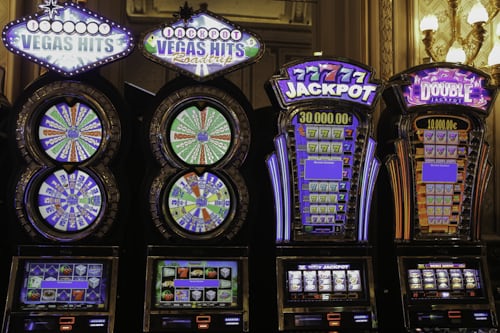
Moreover, the environment in a casino amplifies this excitement. Bright lights, loud sounds, and the presence of other gamblers contribute to a sensory overload that heightens emotions. This atmosphere can make players feel invulnerable, leading them to chase wins or prolong their play even when the odds are against them. Such factors create a cycle of thrill-seeking behavior that is challenging to resist.
The Role of Cognitive Biases
Cognitive biases significantly influence how gamblers perceive risks and rewards in high-stakes games. One of the most common biases is the illusion of control, where individuals believe they have more control over the game outcomes than they actually do. This can lead to overconfidence and increased risk-taking, as players justify their decisions based on false premises. For instance, a player might continue playing after a loss, thinking they can turn their luck around.
Another pertinent bias is the gambler’s fallacy, where individuals think that past events will influence future outcomes. For instance, a player might believe that after a series of losses, they are due for a win. Such thinking can keep players engaged longer than intended, exacerbating potential losses and compelling them to chase after elusive winnings.
The Emotional Tug-of-War
The emotional aspect of high-stakes gambling is one of the most complex components of its psychology. Players often experience a mix of hope, anxiety, and excitement while wagering large sums of money. This emotional rollercoaster can be particularly enticing, as it elevates the gambling experience beyond mere financial transaction into a profound psychological engagement.
Furthermore, the highs of winning can lead to euphoric feelings, while losses may trigger guilt or shame. These contrasting emotions can create a compelling drive that entices players to return, seeking the joy of victory despite the risk of loss. Understanding this emotional tug-of-war sheds light on why many individuals find it difficult to walk away from high-stakes gambling.
Social Influence and Identity
Social factors also play a significant role in high-stakes gambling. Many players engage in gambling not only for personal enjoyment but also to connect with peers or to enhance their social status. The camaraderie experienced among players can be a powerful motivator, reinforcing the idea that gambling is a shared experience. This social dynamic adds another layer to the appeal of high-stakes gambling.
Additionally, personal identity can be intertwined with gambling behaviors. Some individuals may find their self-worth linked to their success at the tables, which can lead to increased gambling as they attempt to reinforce their self-image. This interplay between social dynamics and personal identity can significantly impact a player’s motivation and behavior in high-stakes environments.
Discover a New Perspective on Gambling
Exploring the psychology behind high-stakes casino gambling reveals the intricate motivations that drive individuals toward this form of entertainment. As you delve deeper into the complexities of risk, emotion, and social influence, it becomes clear how multifaceted the gambling experience can be. This analysis helps shed light on why individuals often find themselves drawn back to the thrill of high-stakes play.
For anyone looking to understand or engage with the world of gambling, exploring these psychological aspects can provide invaluable insights. Whether it’s for entertainment or to better manage one’s gambling habits, the psychological foundation of high-stakes gambling is key to understanding its appeal and the choices made within this thrilling landscape.